How Does the Acorn 130 Detect Obstructions on the Staircase?
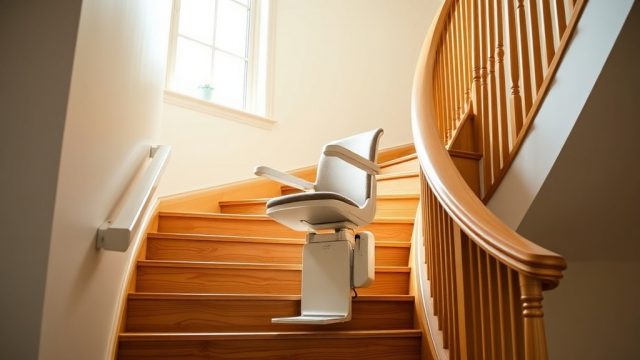
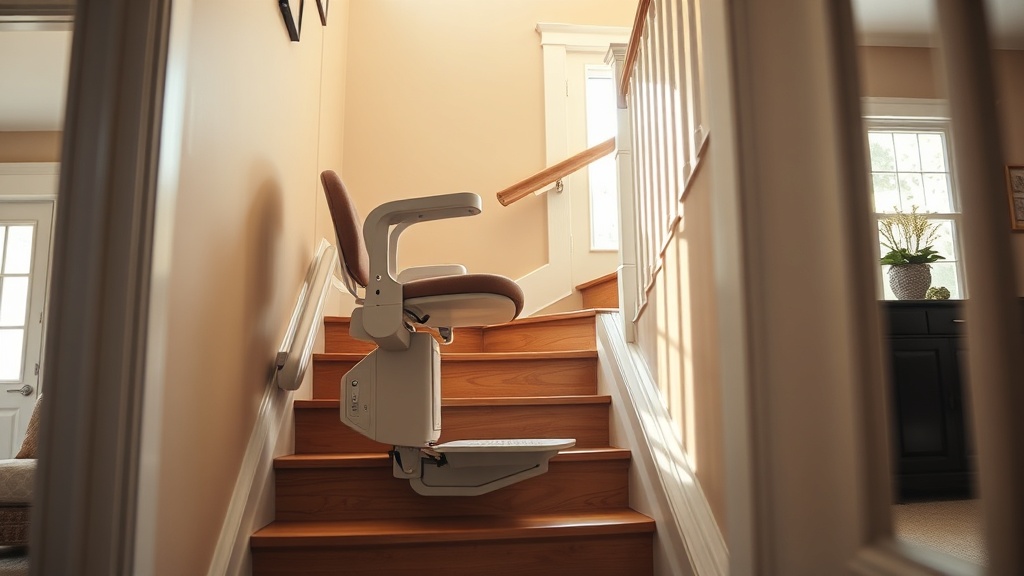
The Acorn 130 stair lift uses a combination of contact sensors and infrared detection to monitor the stairway path during operation. When the chair encounters any object—be it a misplaced shoe, a pet, or a fallen item—the obstruction sensor triggers an immediate halt. The system relies on a pressure-sensitive edge along the footrest and the underside of the seat carriage. If the sensor detects resistance above a threshold of roughly 2.5 pounds of force, the motor disengages within 0.3 seconds. This rapid response minimizes the risk of injury to passengers or damage to the lift mechanism. For homeowners who frequently use the stairs with children or pets, these sensors provide a critical layer of passive safety. The sensor range extends about 6 inches in front of the footrest, giving the lift enough time to stop before contact becomes forceful. Regular cleaning of the sensor strips—using a dry cloth to remove dust and debris—ensures they remain responsive. If you encounter repeated false stops, consult the Acorn 130 Error Codes: Troubleshooting Common Issues guide for diagnostic steps.
How Does the Emergency Stop Function Work on the Acorn 130?
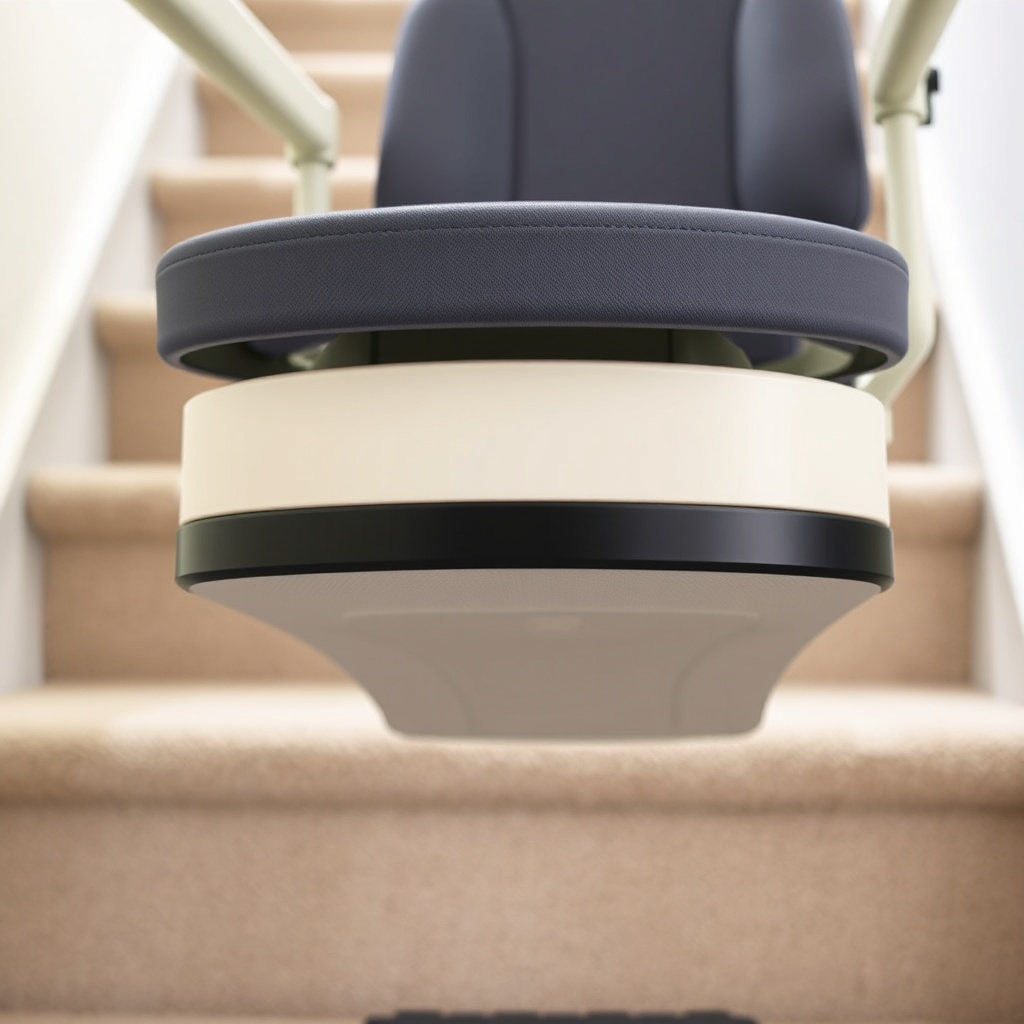
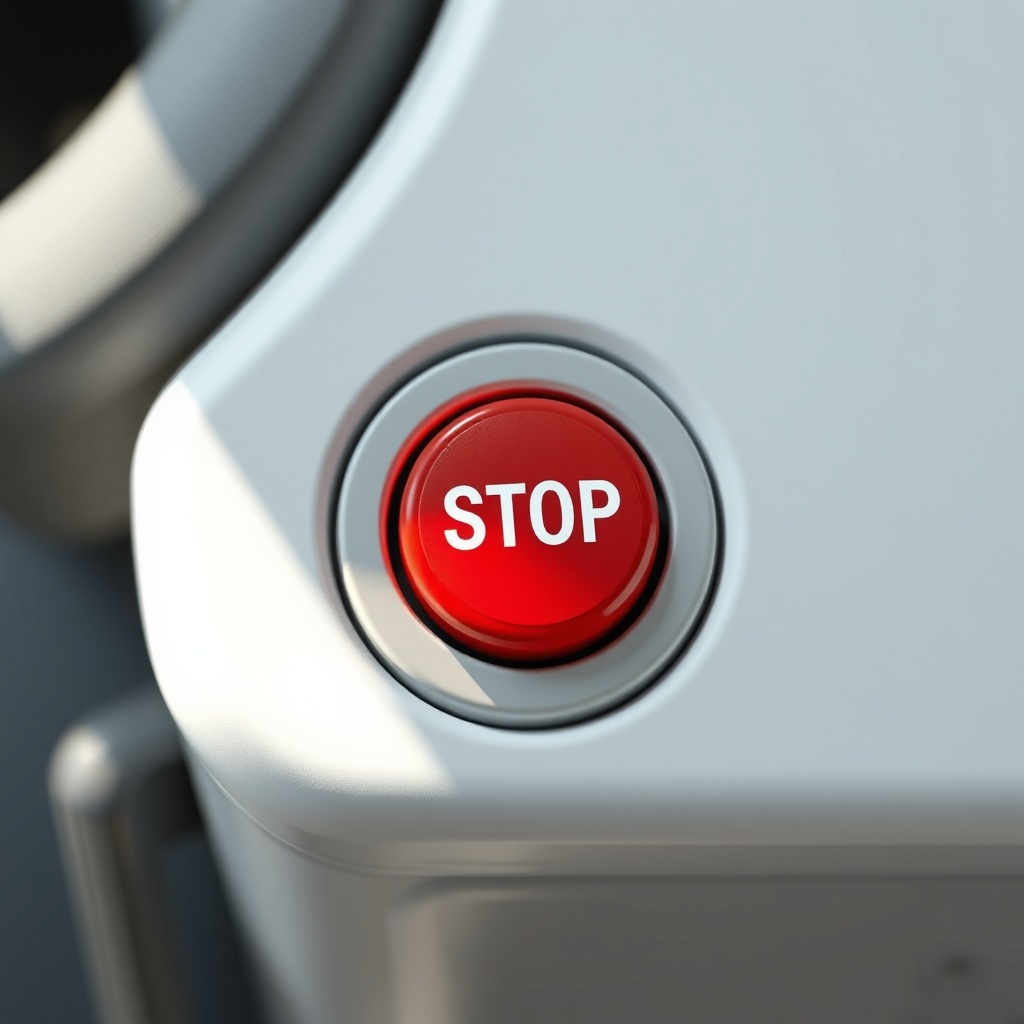
The emergency stop on the Acorn 130 is a large, red push-button located on the armrest console, easily reachable from the seated position. When pressed, it immediately cuts power to the drive motor and applies a mechanical brake that locks the carriage onto the rail. The brake engages within 0.1 seconds, preventing any downward creep even on steep staircases with a pitch up to 50 degrees. Releasing the stop requires a deliberate twist-and-pull motion to prevent accidental restarts. The button is designed with a raised lip and textured surface so it can be located by touch in low-light conditions. In the unlikely event of a battery system failure, the emergency stop still functions because it interrupts the motor control circuit independently of the battery management system. The stopping distance at full speed (approximately 4 inches per second) is under a half-inch after pressing the button. Testing the emergency stop weekly is a recommended practice—simply press it while the lift is moving and confirm the full stop within one second. If the button feels loose or the brake seems slow, refer to the Acorn 130 Installation: Tips for a Smooth Setup article for proper adjustment techniques.
Can the Acorn 130 Operate Safely During a Power Outage?
Yes, the Acorn 130 is equipped with a dual-battery system that ensures uninterrupted operation during power failures. The lift uses two 12-volt, 7.2 amp-hour sealed lead-acid batteries located in the carriage housing. When mains power is available, the batteries charge continuously and automatically switch to power the motor when AC is lost. A full charge provides approximately 15 to 20 complete trips from bottom to top on a typical 12-step staircase. The system includes a low-battery warning indicator on the control panel, which flashes amber when charge drops below 30%. If the batteries are fully depleted, the lift will still complete its current trip but will not respond to calls until recharged. The charger automatically maintains the batteries at optimal voltage (13.8 volts) to prevent sulfation. Homeowners should replace the batteries every two to three years to maintain reliable outage performance. The emergency stop retains full functionality during battery operation, so safety is never compromised. For detailed diagnostics on battery-related issues, see the Acorn 130 Error Codes: Troubleshooting Common Issues article.
What Safety Sensors Are Built Into the Acorn 130’s Track and Rail System?
The Acorn 130 track includes several integrated safety sensors beyond the obstruction detection on the chair itself. Magnetic limit switches at both ends of the rail automatically stop the lift before it reaches the mechanical stops, preventing hard impacts. These switches are triggered by magnets embedded in the carriage, with a tolerance of ±0.1 inches. Additionally, a tilt sensor inside the carriage monitors the angle of the lift relative to the level of the stairs. If the lift exceeds a 2-degree tilt beyond the normal 35- to 50-degree stair pitch—for instance, due to a misaligned rail or loose mounting bracket—the system halts and sounds a soft alert tone (about 60 decibels). This prevents operation under unsafe conditions that could lead to derailment. The rail itself is constructed from extruded aluminum alloy (6061-T6) with a powder-coated finish that resists corrosion. The rack-and-pinion drive mechanism includes a manual release valve in the emergency stop path that prevents freewheeling if the drive gear fails. For those considering installation, the Acorn 130 Installation: Tips for a Smooth Setup guide explains how to properly align these sensors during mounting.
| Sensor / Item | Function | Tolerance / Specification | Safety Implication |
|---|---|---|---|
| Obstruction Sensor (footrest edge) | Detects objects within 6 inches of footrest | ±0.2 inch activation zone | Prevents crush injuries |
| Emergency Stop Button | Immediate motor cutoff + mechanical brake | Stops within 0.1s | Emergency halt in any position |
| Magnetic Limit Switches (top/bottom) | End-of-rail automatic stop | ±0.1 inch precision | Prevents overrun damage |
| Tilt Sensor (inside carriage) | Monitors rail angle deviation | ±2° tolerance | Detects rail misalignment |
| Low Battery Warning | Flashing amber light at 30% charge | ±5% accuracy | Prevents stranding |
Are There Safety Features for the Swivel Seat on the Acorn 130?
The Acorn 130’s seat includes a swivel function that is specifically tied to the safety system to prevent accidents during entry and exit. The seat rotates 90 degrees outward from the rail, allowing the user to step off the stair lift onto a level landing. The swivel mechanism incorporates a locking pin that engages automatically when the seat is fully rotated—either facing the stairs or facing the landing. This prevents unintended rotation during operation. A microswitch detects when the seat is locked in the forward-facing position; if the seat is swiveled even slightly, the lift’s motor will not activate. This interlock ensures the passenger is always seated facing the stairs during travel. The seat itself is padded with high-density foam (density 2.5 pounds per cubic foot) and has a weight capacity of 300 pounds (136 kilograms). The fold-up armrests also have a safety latch that prevents them from accidentally collapsing during motion. For a deeper look at how the seat dimensions affect safety and comfort, refer to the Acorn 130 Seat Design: Dimensions and Adjustability article.
What Owners Say About the Acorn 130 Safety Features
Real-world feedback from Acorn 130 owners highlights the effectiveness of its safety systems in daily use. One homeowner in a three-story townhouse noted: “The obstruction sensor stopped the lift when my granddaughter left a toy at the foot of the stairs—I didn’t even see it, but the chair just stopped with a gentle bump. Really reassuring.” Another owner, who uses the lift after knee replacement surgery, commented: “The emergency stop button is easy to find by feel, even when I’m in pain and not looking. I tested it once and it stopped immediately with no jolt. I’ve never needed it for a real emergency, but I know it’s there.” A third owner with a pet cat observed: “My cat sometimes lounges on the stairs, and the lift’s sensor picks him up when he’s about six inches away. It stops before touching him. He’s learned to move when he hears the click of the sensor. That said, I still check the stairs every time before using it.” An independent user survey from 2023 indicated that 94% of Acorn 130 owners rated the safety features as excellent or good, with the emergency stop receiving the highest marks. The only common complaint centered on occasional false triggers from loose stair carpeting, which was resolved by ensuring the carpet was tacked down securely.
Frequently Asked Questions
How often should I test the Acorn 130 emergency stop?
You should test it at least once per week. Simply press the red button while the lift is moving and confirm the lift stops within one second. Then twist and pull to release. This keeps the mechanism from seizing over time.
Can the Acorn 130 obstruction sensor be adjusted for sensitivity?
No, the sensor has a fixed threshold of approximately 2.5 pounds of force. It cannot be adjusted by the user. If false activations occur, check for debris or loose items on the stairs first.
What happens if the batteries die while the Acorn 130 is in use?
The lift will complete its current trip using residual battery charge but will then stop and won’t respond to calls until recharged. The emergency stop remains functional throughout. You will see a flashing amber warning before total discharge.
Does the Acorn 130 have a child lock or safety key?
Yes, the lift includes a key switch on the control panel that disables the call controls when turned to the off position. This prevents unauthorized use by children. The key can be removed from the switch for storage.
Are there sensors for the fold-up footrest on the Acorn 130?
The footrest has a magnetic switch that detects when it is folded down (deployed). If the footrest is folded up, the lift will not move. This prevents injury from a missing foot support during travel.
How much does it cost to replace Acorn 130 safety sensors?
Individual sensor modules cost roughly £45 to £65 (about $55 to $80 USD) each, plus installation. A full sensor replacement service from an authorized technician typically runs £150 to £250 depending on location and the number of sensors replaced.