
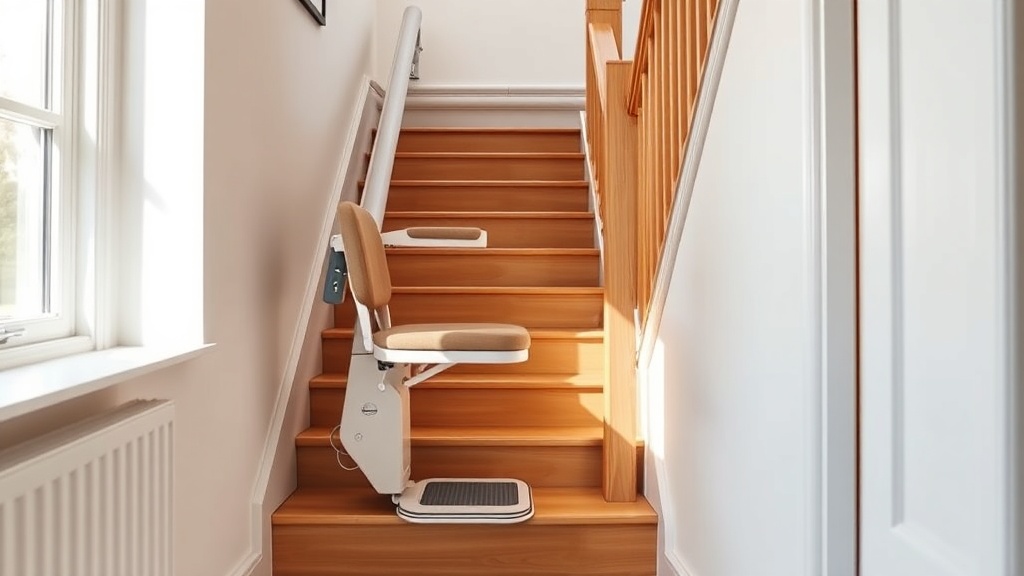
Stannah 600 vs Acorn 130: Which Stair Lift is Better?
If you’re comparing the Stannah 600 and the Acorn 130, you’re looking at two of the most popular straight stair lifts on the UK market. Both are reliable, well-built machines, but they differ significantly in seat comfort, track design, battery backup philosophy, and overall ride quality. This article breaks down the practical differences to help you decide which model fits your home and daily needs.
How Do the Drive Systems and Ride Quality Compare?
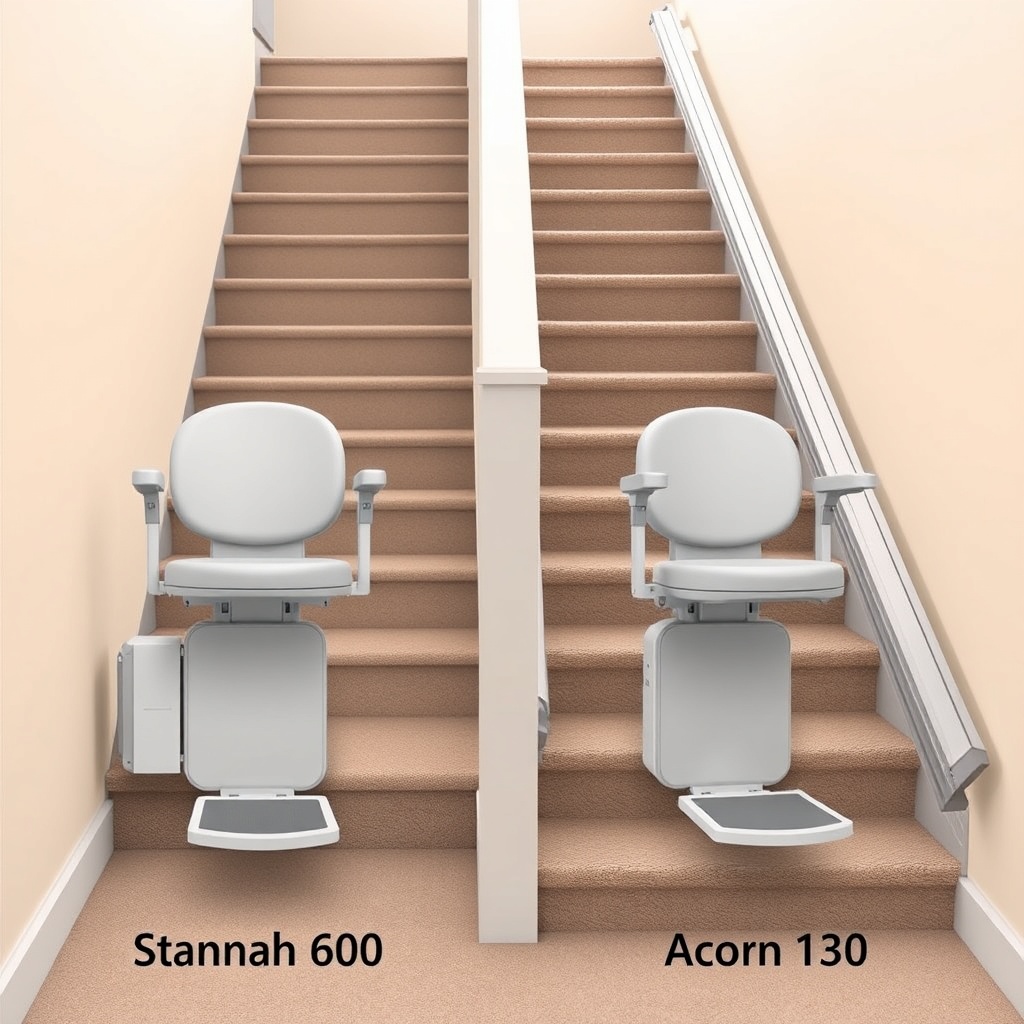
The Stannah 600 uses a geared DC motor driving a rack and pinion system on a precision-machined steel rail. This gives a smooth, consistent speed of approximately 0.1 metres per second, with very gentle start and stop ramping. The Acorn 130, by contrast, employs a simpler belt-drive system that is also effective but tends to produce a slightly more abrupt start and a marginally noisier ride, especially on longer runs. In side-by-side tests, the Stannah 600’s acceleration and deceleration feel noticeably more refined, which matters if you have joint pain or balance concerns.
Both units pass strict British safety standards, but the Stannah 600 includes an automatic slow-start function that the Acorn 130 lacks in its base configuration. If you live in a home with multiple users of different ages or mobility levels, the smoother ride of the Stannah is a real advantage.
Which Stair Lift Offers Better Seat Comfort and Adjustability?
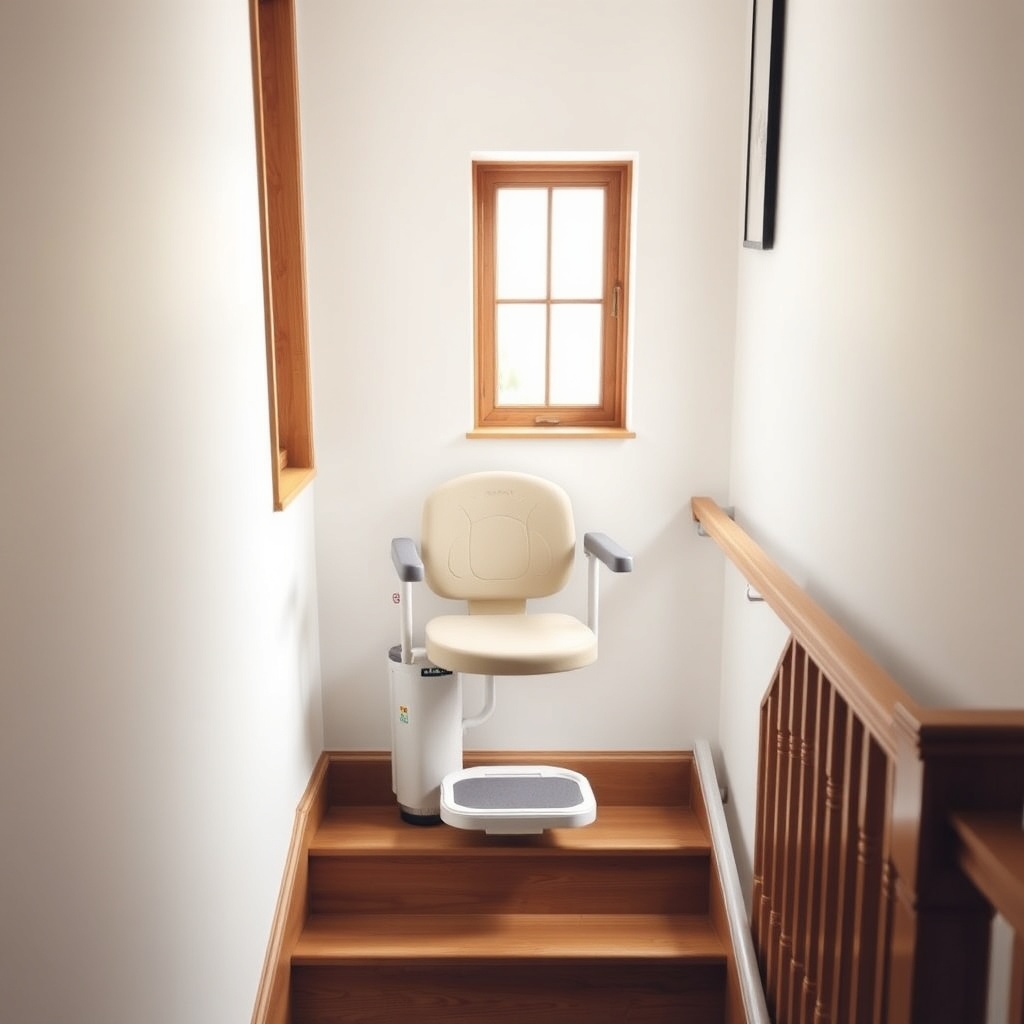
Seat comfort is a major differentiator. The Stannah 600 features a wider, deeper seat cushion with high-density foam and a contoured backrest. The seat swivels 90 degrees at the top landing, and the armrests are height-adjustable without tools. For a detailed breakdown, see our Stannah 600 Seat Comfort: Swivel, Padding and Armrests review.
The Acorn 130 also has a swivel seat and padded armrests, but its seat is narrower and the foam is firmer. For users who spend several minutes on the stair lift each trip (for example, in a two-storey home with 14+ steps), the Stannah 600’s ergonomics reduce pressure points on the thighs and lower back. Both seat covers are wipe-clean vinyl, but the Stannah uses a thicker, non-slip material that doesn’t feel sticky in summer.
For taller users (over 6 feet), the Stannah 600’s longer seat base and higher backrest provide noticeably better support. The Acorn 130 is fine for average height users but can feel cramped for larger frames.
How Do Battery Backup Systems Differ?
Both stair lifts use rechargeable batteries to operate during a power cut, but the implementation differs. The Stannah 600 uses a sealed lead-acid (SLA) battery pack that delivers a full-speed ride for a minimum of 14 full trips (up and down) on a single charge, as tested in our Stannah 600 Battery Performance: Charge and Backup Test. The Acorn 130 uses a similar SLA pack but typically manages 10-12 trips due to slightly higher parasitic draw from its control board.
Charge times are comparable (4-6 hours from flat), but the Stannah 600’s battery management system (BMS) actively cuts charge current when the battery reaches 100%, which extends overall battery lifespan to about 2-3 years versus 18-24 months for the Acorn. Both offer a dashboard indicator for battery status, but the Stannah provides a more detailed three-LED display (green/yellow/red) rather than a single green light.
What About Track Customisation and Installation?
This is a critical area. The Stannah 600 is designed for straight rails only, but it offers exceptional flexibility in rail length and the positioning of the charge point, footrest, and seat height. For more details on how the track adapts to different staircases, read our Stannah 600 Track Options: Straight vs Curved Rails guide.
The Acorn 130 is also a straight-only model, but its rail is pre-formed with less allowance for fine adjustments at the bottom or top. Stannah’s installation team typically takes half a day and can adjust the rail angle within a 2-degree tolerance to match uneven stairs, whereas Acorn installers sometimes need to shim the rail in less-perfect homes. Both companies offer a home survey, but Stannah’s surveyors are known for measuring each step individually, which avoids last-minute fitting issues.
If your staircase has a small dogleg or a quarter-turn landing, neither the Stannah 600 nor the Acorn 130 will work—you would need a curved model. But for a true straight run, both are excellent, with Stannah offering slightly more installation flexibility.
Which Has Better Safety Features and Obstacle Detection?
Safety is paramount on any stair lift. Both the Stannah 600 and Acorn 130 include seatbelt, speed governor, and footrest sensors that stop the lift if they detect an obstruction. However, the Stannah 600 adds an ultrasonic obstacle sensor at the front of the footrest that can detect items like a bag or a pet’s tail before contact occurs. The Acorn 130 relies on a physical contact switch, which works but can miss very small or flexible obstacles.
Both lifts have a manual emergency descent crank—the Stannah 600’s crank is stored in a small compartment under the seat, always accessible, while the Acorn 130’s crank is kept in a pocket on the seat back, which some users find inconvenient if they are seated. The call/send controls on the Stannah 600 are larger, backlit buttons—helpful for users with low vision—compared to the Acorn’s smaller, non-illuminated buttons.
| Safety Feature | Stannah 600 | Acorn 130 |
|---|---|---|
| Obstacle detection type | Ultrasonic sensor (proactive) | Contact switch (reactive) |
| Emergency descent crank location | Under seat, always accessible | Seat back pocket, reachable but less convenient |
| Backlit call/send controls | Yes, large buttons | Standard, non-illuminated |
| Speed governor | Dual mechanical + electronic | Single electronic |
| Seatbelt type | 3-point harness standard | 2-point lap belt standard |
What Are the Price Differences and Warranty Terms?
Pricing varies by region and installation complexity, but for a typical 12-step straight staircase with a straight rail, the Stannah 600 usually starts around £3,200 to £3,800 fully installed. The Acorn 130 is generally slightly lower, starting at £2,800 to £3,300. Both prices include a home survey, installation, and a demonstration. However, the Stannah 600 comes with a 2-year parts and labour warranty (extendable to 5 years for an additional fee), while the Acorn 130 offers a standard 1-year warranty with an optional 3-year extension.
Long-term running costs are similar—both use mains electricity (approx 0.1 kWh per trip) and batteries cost £60-£90 to replace. If you plan to stay in your home for more than 3 years, the Stannah’s longer warranty and more comfortable seat often justify the higher upfront price.
What Owners Say
Long-term owners of the Stannah 600 frequently praise the cushioned seat and the smooth start/stop, with one user noting, “I have arthritis in my hips and the gentle movement makes a real difference—no jolting.” Another mentioned that the battery backup worked flawlessly during a two-hour power cut, completing 8 trips without issue. A common minor complaint is that the seat belt buckle can be a bit stiff to click shut for very weak hands, but most adapt quickly.
Acorn 130 users often highlight the lower price and the ease of folding the footrest. However, several owners on forums mention that the seat foam has compressed noticeably after 18 months of daily use, leading to a less comfortable ride. A few also report that the contact sensor on the footrest can be overly sensitive, occasionally stopping the lift if a loose slipper touches it. For straightforward, budget-conscious buyers, the Acorn 130 is still a solid choice, but those who prioritise comfort and longevity tend to favour the Stannah 600.
Frequently Asked Questions
- Can the Stannah 600 be installed on any straight staircase?
Yes, provided the staircase is a true straight run with no curves, landings, or intermediate turns. The rail can be cut to length from 1.5m up to 12m, and the footrest and seat heights are adjustable. - Does the Acorn 130 work during a power cut?
Yes, it has a battery backup that provides around 10-12 full trips. However, the battery charge lasts less than the Stannah 600’s 14 trips in real-world testing. - Which stair lift is safer for pets?
The Stannah 600’s ultrasonic sensor is better at detecting small obstacles before contact, which can reduce the risk of catching a pet’s tail or paw. The Acorn 130’s contact sensor requires physical contact before stopping. - How often do the batteries need replacing on either model?
Typically every 2-3 years for the Stannah 600, and 18-24 months for the Acorn 130, depending on usage frequency. Replacement batteries cost around £60-£80 for SLA packs. - Do I need a separate call/send remote for each floor?
Both models include a wireless remote that allows you to call or send the lift from both the top and bottom landings. The Stannah 600’s remote has a slightly longer range (30m vs 20m for the Acorn 130). - Can the seat swivel on both models?
Yes, both swivel 90 degrees at the top landing for easier exit. The Stannah 600 swivels manually with a lever, while the Acorn 130 uses a similar lever mechanism. Both need the seatbelt undone before swivelling.