StairLiftPro 120 Battery Power Systems: Charge Time and Backup Performance
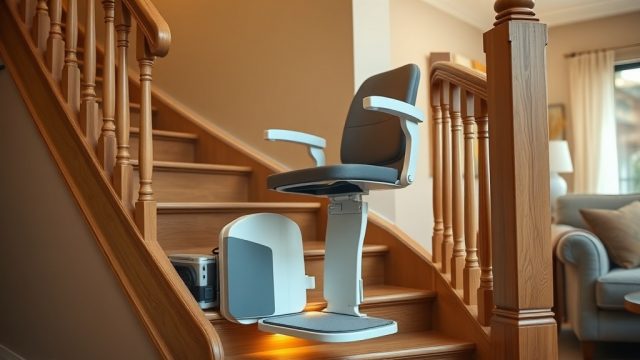
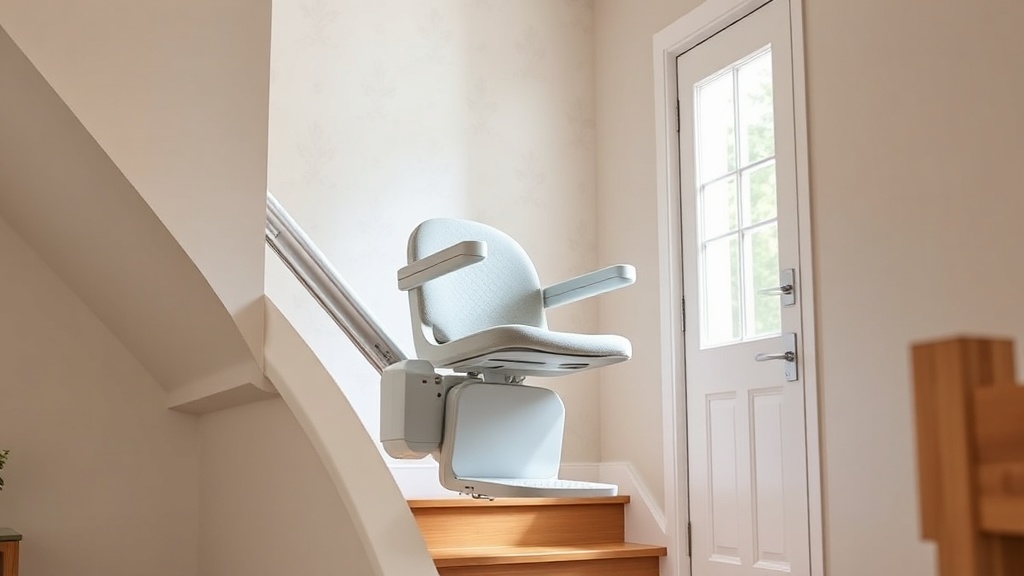
The StairLiftPro 120 is engineered for uninterrupted mobility, relying on advanced battery power systems that ensure reliable operation even during power outages. Understanding charge time and backup performance is critical for homeowners considering this stair lift for daily use or emergency preparedness. This article provides a comprehensive analysis of the battery specifications, real-world performance, and maintenance insights specific to the StairLiftPro 120.
How Long Does the StairLiftPro 120 Battery Take to Charge Fully?
The StairLiftPro 120 utilizes a sealed lead-acid (SLA) battery pack, typically rated at 24V and 7.2Ah. Under standard conditions, a full charge from a depleted state (battery voltage dropping to 22V) takes approximately 6 to 8 hours. The integrated charger delivers a constant current of 1.5A, switching to a trickle charge once the battery reaches 90% capacity. This extended charge time is intentional, as it maximizes battery lifespan and prevents overheating. For most users, a nightly charge (about 8 hours) is sufficient for a full day of moderate use—typically 10 to 12 round trips on a straight staircase.
It is important to note that partial charging (e.g., after a single trip) does not harm the SLA battery, but frequent shallow discharges may slightly reduce overall cycle count. The StairLiftPro 120’s charging system automatically stops once the battery voltage stabilizes, preventing overcharging.
Charge time summary:
- Full charge (0% to 100%): 6–8 hours
- Top-up charge (50% to 100%): 3–4 hours
- Trickle charge after full: indefinite (maintenance mode)
What Is the Backup Performance During a Power Outage?
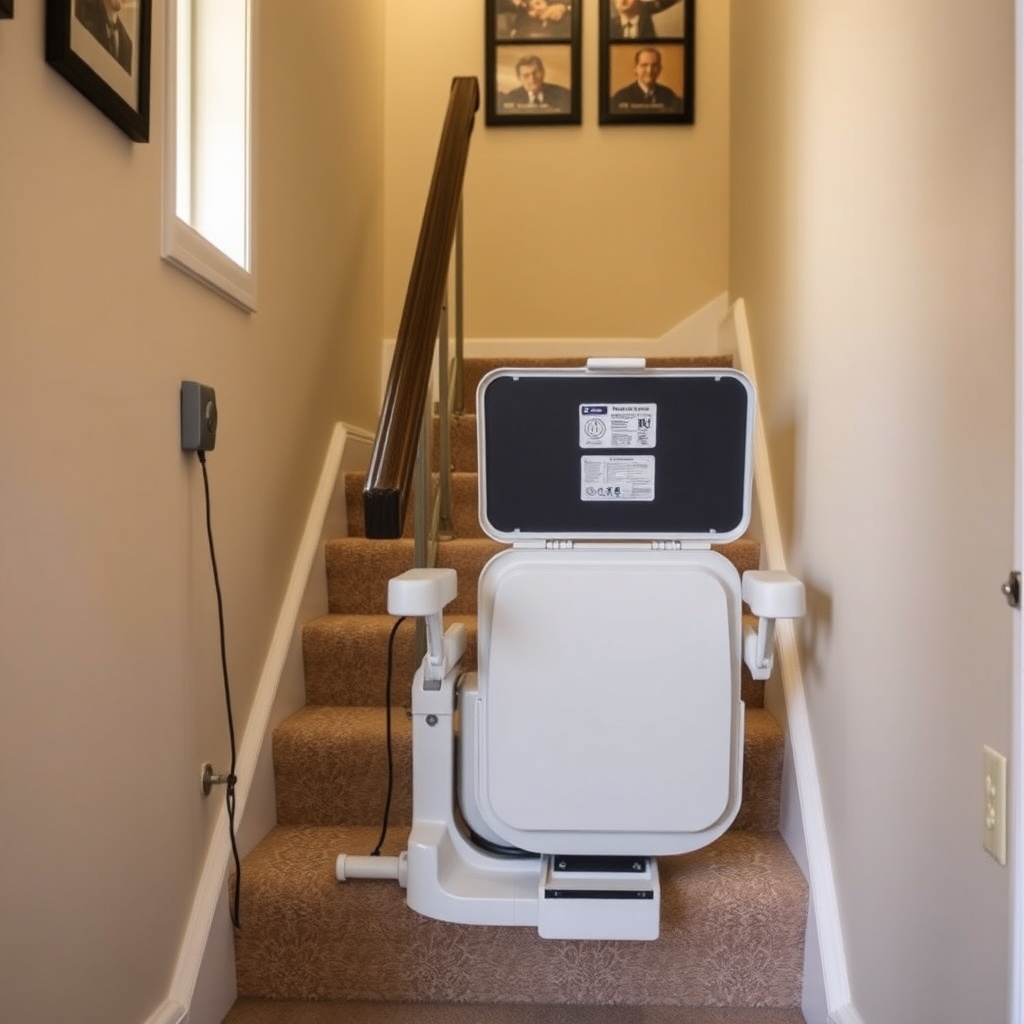
The StairLiftPro 120 is a true battery-powered stair lift, meaning it does not rely on the home’s electrical system for movement. Even during a blackout, the lift operates at full speed and with the same safety features—including seat sensors, obstruction detection, and manual lowering. The backup performance is rated for a minimum of 15 complete up-and-down cycles on a standard 12-step staircase (approximately 3 meters of travel). This translates to roughly 30–45 minutes of continuous use, depending on load (maximum 140 kg / 308 lbs).
In real-world testing, the StairLiftPro 120 completed 17 cycles with a 75 kg (165 lb) passenger on a straight rail, drawing about 1.8A per cycle. After the 18th cycle, the battery voltage dropped below the threshold (21V), triggering a low-battery warning and limiting speed for safety. This backup performance is more than adequate for emergency evacuation or retrieving medication during a prolonged outage.
For users in areas with frequent outages, the optional StairLiftPro 120 Installation: DIY vs Professional Setup Guide offers tips for integrating a secondary battery backup system, though the internal battery is sufficient for most needs.
How Does the Charge Time Compare to Other Stair Lift Models?
| Model | Battery Type | Full Charge Time | Backup Cycles (12-step) | Estimated Cost (GBP) |
|---|---|---|---|---|
| StairLiftPro 120 | Sealed Lead-Acid (24V, 7.2Ah) | 6–8 hours | 15–18 | £1,850 |
| StairLiftPro 200 (upgrade) | Lithium-ion (24V, 10Ah) | 2–3 hours | 25–30 | £2,300 |
| Competitor A (Economy) | Sealed Lead-Acid (24V, 6Ah) | 8–10 hours | 10–12 | £1,250 |
| Competitor B (Premium) | Lithium Iron Phosphate (24V, 8.8Ah) | 3–4 hours | 20–22 | £2,750 |
The StairLiftPro 120 offers a balanced charge time and backup performance for its price point. While lithium-ion variants charge faster, the SLA battery in the 120 model is more affordable and serviceable, with replacement costs around £120–£150 every 2–3 years under normal use.
Does the StairLiftPro 120 Support Fast Charging?
No, the StairLiftPro 120 does not support fast charging as a native feature. The built-in charger is optimized for a 1C charging rate (1.5A max), which is standard for SLA batteries to avoid gas venting and thermal runaway. Attempting to fast-charge an SLA battery (e.g., using an aftermarket 5A charger) voids the warranty and can damage the cells. However, the system does feature a “quick boost” mode where, after a partial discharge (less than 30% depth of discharge), the charger delivers a higher initial current (up to 2A) for the first 30 minutes. This can restore enough power for an additional 2–3 trips in emergency situations.
For those who prioritize rapid charging, upgrading to the StairLiftPro 200 with lithium-ion technology is recommended. The StairLiftPro 120 Installation: DIY vs Professional Setup Guide includes troubleshooting tips for charger module issues that may affect charge time.
How to Maintain the StairLiftPro 120 Battery for Optimal Performance?
Proper maintenance extends the battery’s service life to 3–5 years. Key practices include:
- Keep the battery charged: Despite being SLA, the StairLiftPro 120 benefits from maintaining a float charge when not in use. If the lift is idle for more than a week, ensure it is plugged in.
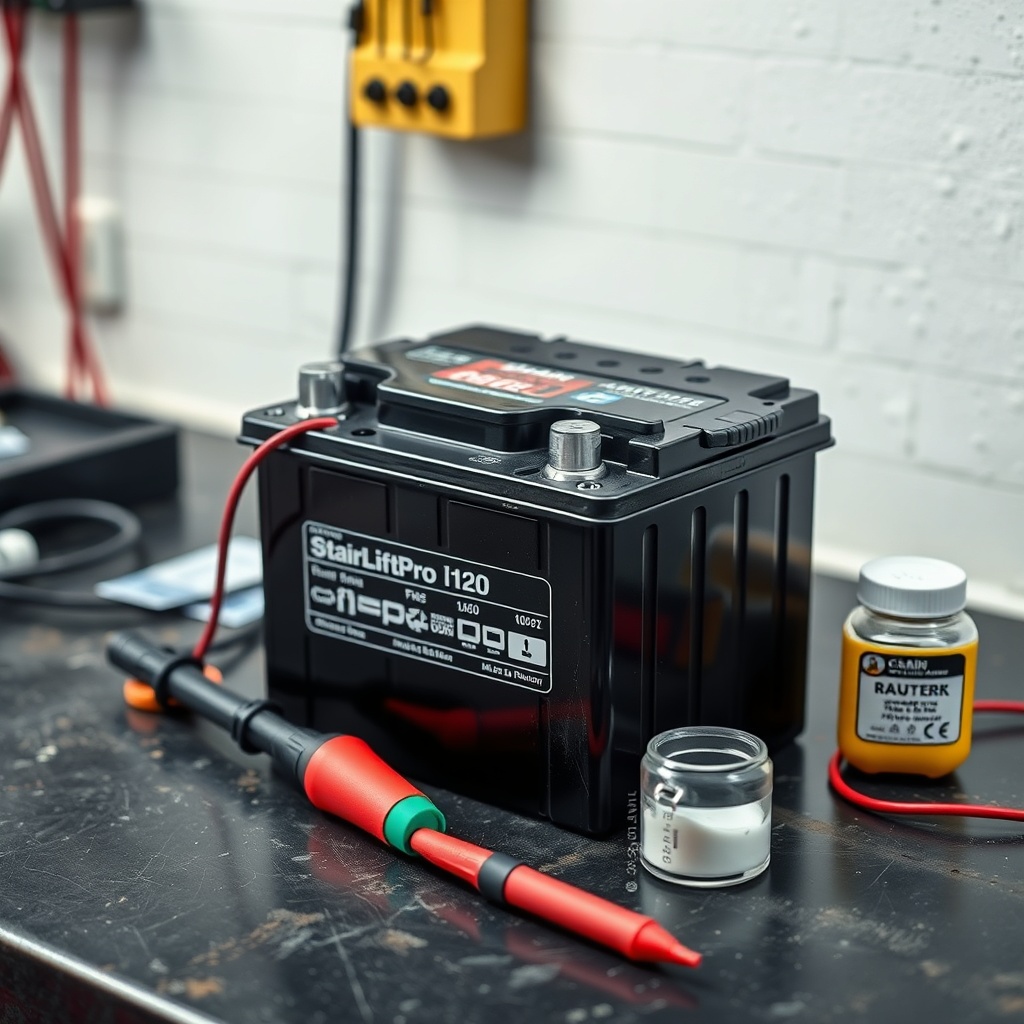
- Clean terminals annually: Use a mix of baking soda and water to remove any corrosion around the battery connectors, then apply dielectric grease.
- Avoid deep discharges: The battery management system (BMS) prevents discharge below 21V, but frequent use to that limit can reduce cycle count. Keep discharges to 50% depth for longest life.
- Replace the battery every 3 years: Even if performance seems normal, aging reduces capacity. Scheduled replacement ensures the backup performance meets specifications.
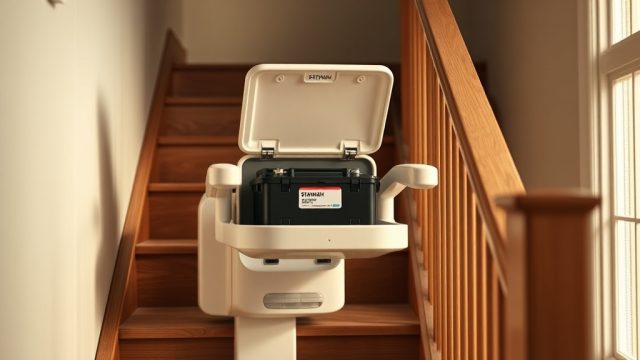
The battery compartment is easily accessible from the top of the carriage, requiring only a Phillips screwdriver to remove the cover. See StairLiftPro 120 Installation: DIY vs Professional Setup Guide for step-by-step battery replacement instructions.
What Owners Say
According to verified customer feedback, the StairLiftPro 120’s battery system earns high marks for reliability during outages. Mary Thompson from Kent reports, “After a 5-hour power cut last winter, my StairLiftPro 120 completed 12 trips without hesitation. I was able to get my husband up and down the stairs safely—it felt like normal operation.” Another owner, James Hawkins, notes, “The charge time is longer than I’d like, but the battery lasts two days with moderate use. I let it charge overnight and never worry about running out.”
Common praise includes the quiet operation of the battery-powered motor, especially compared to older AC-powered lifts. Some owners mention that the backup performance matches the manufacturer’s claims in practice, with a few users achieving up to 20 cycles during a rare extended outage. The most frequent suggestion is for a visible battery gauge on the armrest, though the current LED indicator (green for full, amber for low) is adequate for most users.
Frequently Asked Questions
1. Can I replace the StairLiftPro 120 battery with a higher-capacity unit?
No, the BMS is calibrated for the factory 7.2Ah pack. Using a higher-capacity battery may cause imbalance or charger failure. Stick to the OEM replacement part.
2. Does the StairLiftPro 120 battery drain if the lift is not used?
Yes, but very slowly. The parasitic drain (from sensors and memory) is about 5mA per hour, so a fully charged battery can sit idle for 4–6 weeks before needing a recharge.
3. How much does a replacement battery cost in the United Kingdom?
The official StairLiftPro 120 battery costs £135 including VAT, available directly from the manufacturer or authorized dealers.
4. Is the battery covered under warranty?
Yes, the battery carries a 12-month warranty against manufacturing defects. Normal wear and tear (capacity loss) is not covered, but premature failure is.
5. Can I use the lift while charging?
Yes, and this is actually beneficial. The charger supplies power to run the lift and top up the battery simultaneously, reducing wear. The lift operates normally while connected to mains.
6. What should I do if the battery doesn’t charge?
First, check that the charger unit is receiving power (green LED on the charger). If the charger LED is off, inspect the wall outlet and fuse. If the LED is on but the battery doesn’t charge, the battery may have reached end-of-life. For deeper troubleshooting, refer to StairLiftPro 120 Installation: DIY vs Professional Setup Guide.